
Quick Answer
Ice dams form when attic heat melts snow at the ridge and water refreezes at cold eaves. Prevention means balancing ventilation, sealing air leaks at the ceiling plane, and installing ice-and-water membrane at eaves during re-roof. Heat cables help only as a supplement—they do not fix heat loss driving the cycle.
Ice Dams Are a Symptom, Not the Disease
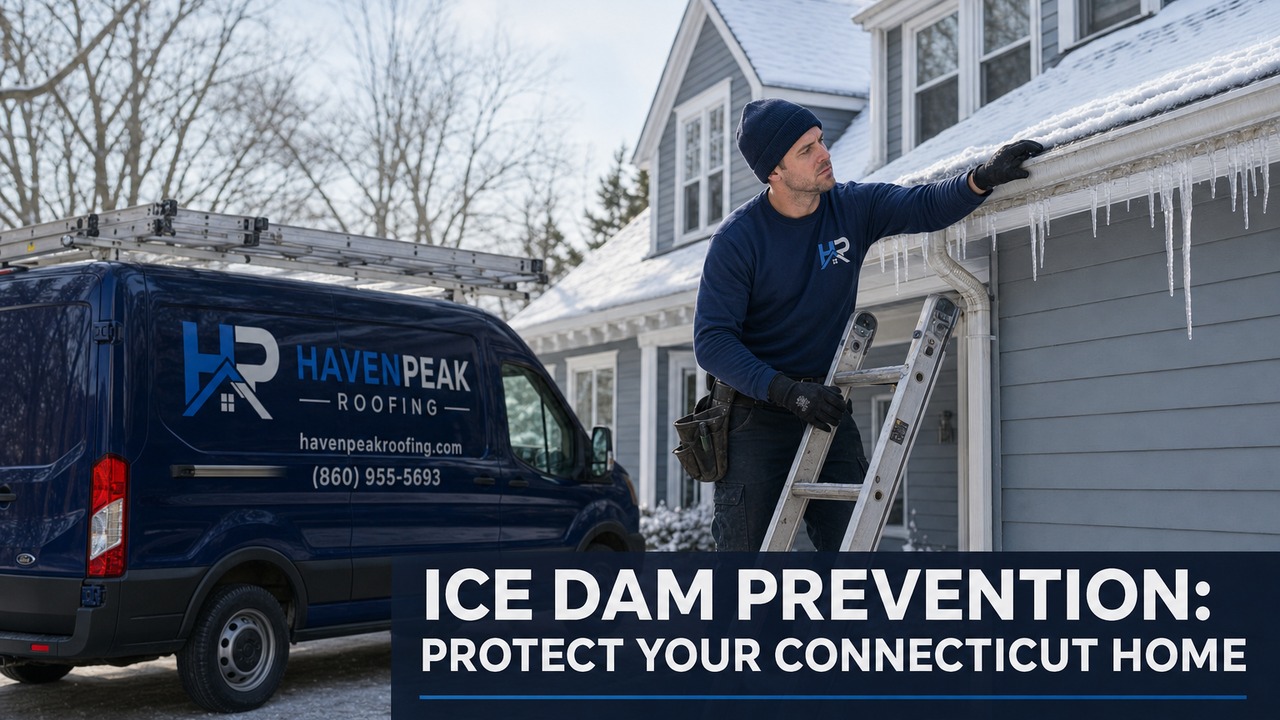
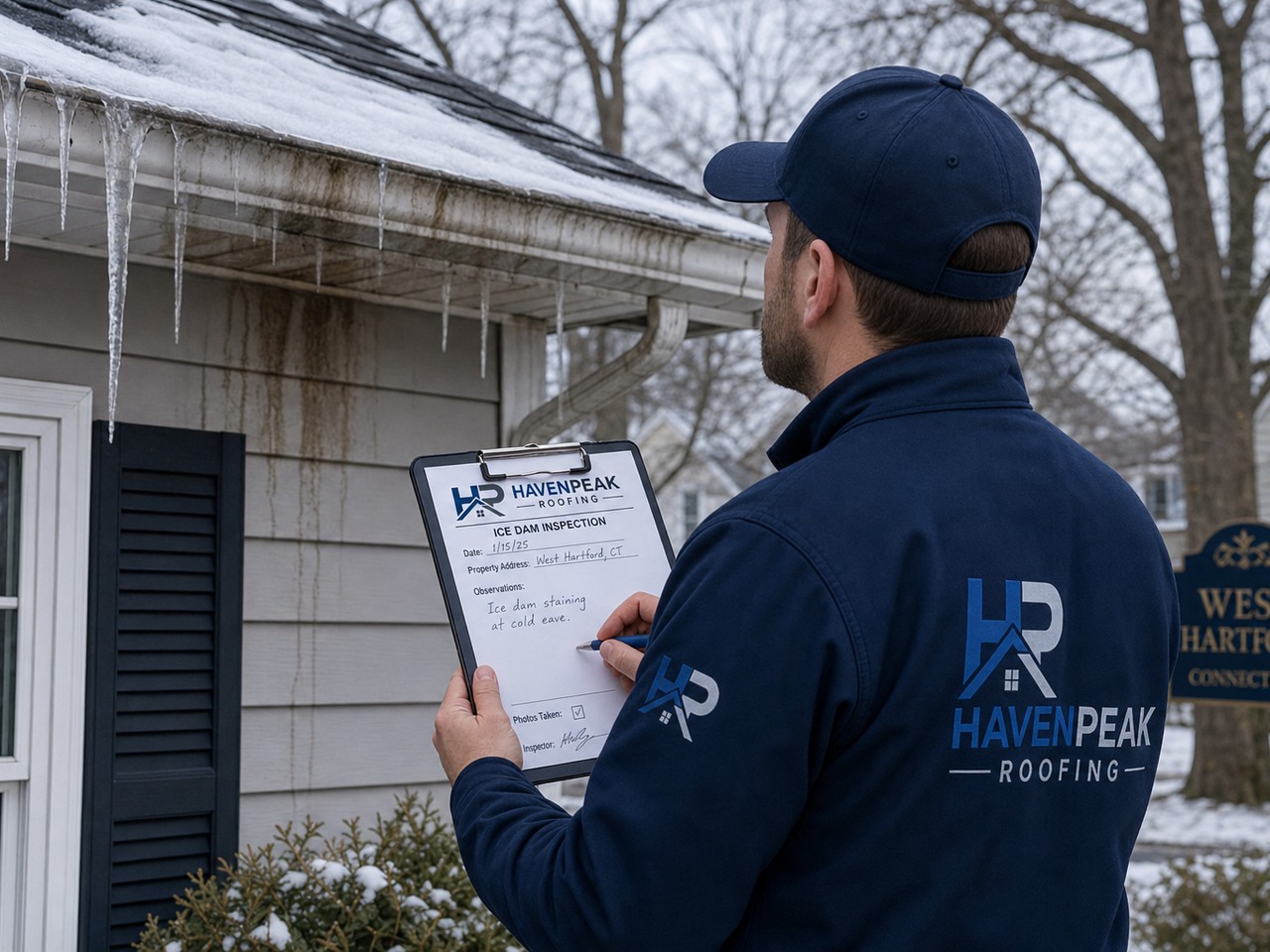
Thick icicles hanging from gutters look dramatic, but they are usually the visible tip of a hidden problem: heat escaping into the attic, melting snow at the ridge, and refreezing at the cold eave where the overhang extends past heated space. Connecticut's combination of heavy snow, freeze-thaw cycles, and older housing stock makes ice dams one of the most common roof issues in Greater Hartford.
Heat cables and roof rakes can help in a crisis, but they do not fix blocked soffits, bath fans venting into attics, or missing ice-and-water membrane at the eave. When water backs under shingles and stains ceilings, you need professional repair—not another season of hoping icicles melt before damage spreads.
This article walks through why dams form on colonials in West Hartford and ranches in the Farmington Valley alike, what prevention actually works, and when roofing upgrades belong in the plan.
Why the Ridge Melts First
Walk through 1960s neighborhoods in West Hartford or Avon after a January storm and you will often see bare ridge lines while ice thickens at the eave. That pattern means heat is reaching the attic. Fixing shingles alone does not change the thermodynamics.
Ridge vent without open soffit intake is a common post-renovation mistake. Exhaust pulls air from the wrong place when insulation blocks soffit channels—and ice dams persist despite what looks like new ventilation on the invoice. Balanced intake and exhaust is the goal, not simply adding a ridge vent strip.
Bathrooms, kitchens, and recessed lights leaking warm air into the attic accelerate ridge melt. A roof that was replaced without addressing bypasses will dam again the next winter.
Prevention That Actually Works
Modern Connecticut re-roofs should include ice-and-water shield at eaves and valleys per manufacturer requirements. That membrane does not stop dams from forming, but it blocks water travel under shingles when backup occurs. During full replacement, eave detail upgrades are the right time to install it properly—not as a afterthought on aging shingles.
Seal bypasses at the ceiling plane before adding insulation depth. Chimney chases, top plates, wire penetrations, and attic hatches leak more heat than homeowners expect. Foam baffles keep insulation from blocking soffit intake so cold air washes the deck evenly.
Gutter clearing after leaf drop reduces ice buildup where clogged troughs trap meltwater. Valley cleaning matters on wooded streets in Simsbury and Canton where debris changes water flow within a single season.
Heat Cables and Roof Rakes: Know the Limits
Roof rakes can reduce snow load at the eave when used safely from the ground. Never climb an icy roof to rake. Pull snow back a few feet to reduce melt volume at the dam zone—but raking does not fix attic heat loss.
Heat cables keep channels open on problem eaves when ventilation fixes are phased. They increase energy cost and should be treated as a supplement, not a solution. Budget for proper intake, exhaust, and ice barrier at the next replacement; use cables only where structure or budget makes perfect balance difficult in the short term.
If interior stains already appeared, schedule repair to address deck and shingle damage, then address ventilation before the next heavy snow season.
When to Bring in a Roofer
Ice dam damage at shingles, underlayment, and decking belongs to roofing. If stains are active, roof inspection comes first—blowing insulation over wet decking or ignoring rot at the eave makes the next thaw worse.
Pure insulation upgrades without roof symptoms may involve an energy auditor, but when water has entered, trace the path before cosmetic attic treatments. Waterproofing at valleys and penetrations pairs with ventilation corrections during repair or replacement.
Fall planning beats January emergencies. Schedule a roof inspection from our West Hartford office or call (860) 955-5693.
Attic Heat Loss Patterns to Correct
Recessed can lights without proper covers, unsealed attic hatches, and wire penetrations at top plates leak surprising amounts of warm air. In renovated homes across Bloomfield and Windsor, added living space without rebalanced ventilation often worsens dam formation within a few winters of completion.
Bath and kitchen fans must terminate to exterior—not into soffit cavities that recirculate moist air under shingles. Routing through roof or gable walls costs less than repeated interior repairs from chronic backup.
An energy audit can help when pure insulation upgrades are the goal, but active roof stains mean roofing inspection comes first. Fix the water path, then address heat loss so dams do not return on the next replacement cycle.
Whole-house humidity above forty-five percent in winter can feed attic moisture even when the roof surface looks fine. Lower humidifier settings, vent dryers to exterior, and avoid storing firewood in attached spaces that share air with living areas.
Schedule gutter cleaning after late fall leaf drop on wooded lots in Canton and Avon—clogged outlets turn mild melt days into eave ice dams within a single week. Repeat gutter checks after Thanksgiving on heavily wooded streets. Small prevention steps in fall cost far less than emergency interior damage repair in February.
Related reading
Related service: Learn more about this roofing service.
Related guide: Freeze-Thaw Roof Damage in Connecticut: What Homeowners Miss.
FAQ
Not always. Dams can form on newer roofs when ventilation is poor. Damage from backup may require repair or replacement depending on deck condition and shingle age.
Small icicles happen in cold weather. Thick ice at the gutter line with bare ridge above strongly suggests attic heat melt and refreeze at the eave.
Air sealing and insulation at the ceiling plane help. Soffit baffles, ridge vent balance, and routing bath fans to exterior matter too—often as a combined approach.
Most full re-roofs include ice barrier at eaves per manufacturer and municipal requirements. Confirm details on your written scope before work starts.
Large icicles can pull gutter sections loose and fall unpredictably. Work from the ground with care; avoid standing under heavy ice.
Need help with your roof in Connecticut? Contact HavenPeak Roofing for a free estimate or call (860) 955-5693. We serve West Hartford, Greater Hartford Area, and nearby Connecticut communities.
Browse our Roofing Insights hub and Roofing Solutions catalog for more Connecticut winter guides, emergency services, and city-specific roofing pages.