
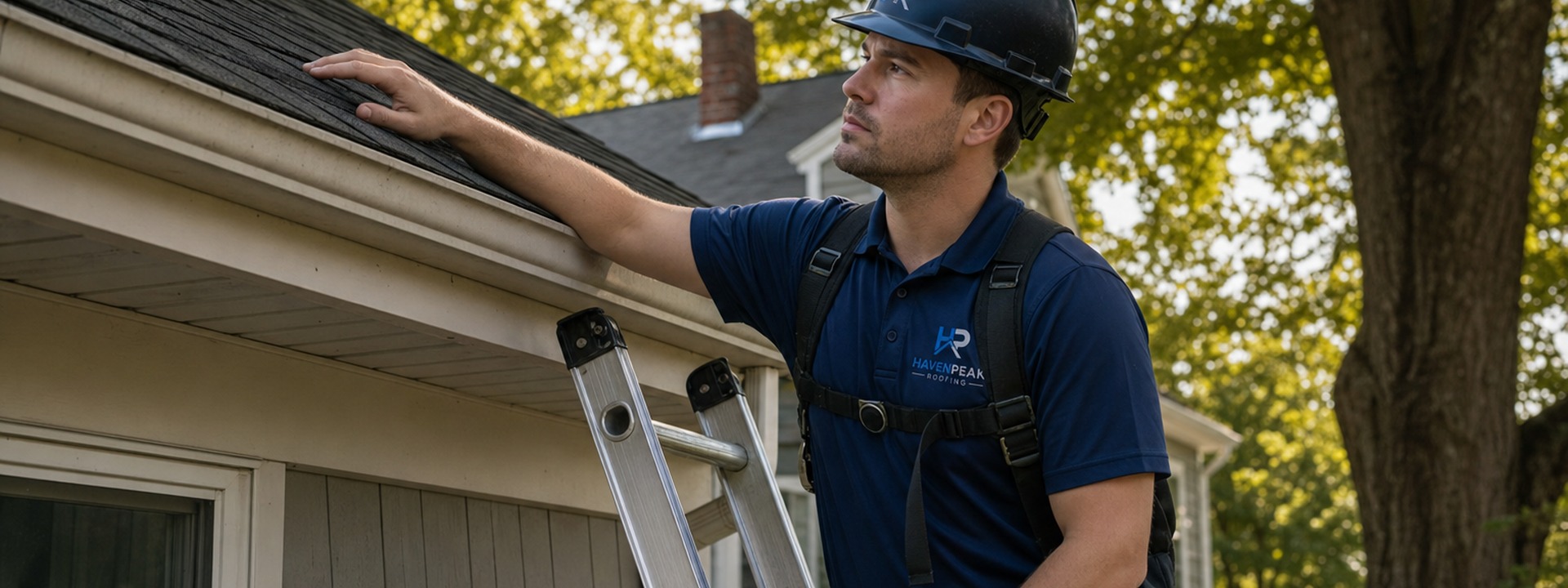
Roof Inspections With Clear Findings, Not Sales Pressure
Whether you are preparing for winter, closing on a home near West Hartford Center, or documenting storm impact, an inspection should show what is sound, what is failing, and what can wait—with photos you can reference later.
When to Schedule a Roof Inspection
Late fall inspections reveal whether ice barrier and ventilation are ready before the first sustained freeze. Spring inspections after thaw expose deck staining and shingle damage that snow hid all winter.
Before buying a home in Greater Hartford’s competitive market, an inspection helps you budget negotiation or plan replacement timing. After a notable wind or ice storm, documentation supports repair decisions even if you are not filing a claim.
Landlords and small commercial owners schedule periodic inspections to avoid tenant ceiling surprises. There is no single perfect month—choose a point before you need urgent work.
After major renovations—new dormers, skylights, or solar mounts—an inspection confirms flashings were integrated correctly before the next storm season.
What We Assess From the Ground First
Binocular review from multiple angles notes sagging ridges, uneven slopes, and missing or lifted shingles without setting foot on wet or steep surfaces. Granule piles at downspout exits suggest accelerated wear on upper slopes.
Gutter condition, fascia staining, and soffit discoloration hint at overflow or ice backup. We map those observations before ladder work to focus time on the right elevations.
On tight West Hartford lots, ground review also identifies access constraints that affect future repair or replacement pricing.
We note tree hazards that will scrape repaired slopes again if limbs are not trimmed—maintenance planning belongs in the inspection conversation.
Exterior Walkover and Surface Documentation
When safe, we walk the roof to evaluate shingle or panel attachment, ridge cap integrity, valley debris, and penetration seals. Test areas may include lifting shingle tabs gently to see if seal strips still bond.
Flashing at chimneys, skylights, and walls receives close attention because those joints move with temperature swings. We photograph anomalies with slope labels so reports stay organized.
Low-slope sections get checked for ponding marks, membrane blisters, and drain clearance—common on porch roofs behind brick colonials.
Ridge and hip cap wind damage often appears before field wear; we document cap condition separately from main slopes.
Attic and Interior Signs of Moisture
Inside, we look for daylight at penetrations, dark decking stains, compressed insulation, and rust on nail shanks. Frost on nails in winter indicates warm moist air reaching a cold roof deck—an ice dam risk factor.
Bathroom and kitchen exhausts terminating into the attic instead of outside are frequent finds on 1960s ranches in Elmwood. We note ventilation paths that shorten shingle life even when exterior tabs look fine.
Moisture meters help distinguish active leaks from historical stains when accessible.
We correlate attic findings with exterior features directly above—tracing paths reduces guesswork when you later schedule repair.
Flashing and Penetration Focus
Pipe boots harden and crack after years of UV exposure. Step flashing gaps at sidewalls let wind-driven rain enter during nor’easters. Chimney cricket and saddle details on wide chimneys are common oversight points on older homes.
Skylight curbs and domes have separate failure modes from surrounding shingles; we identify whether water tracks at the unit, the flashing, or the surrounding field.
Inspection reports call out which details are maintenance items versus structural concerns.
We rate findings by urgency so you can budget: address now, plan this season, or monitor at next inspection.
Post-Storm Inspection Notes
After severe weather, we distinguish fresh damage from pre-existing wear adjusters and buyers will question. Hail bruising, wind creases, and impact marks get dated in photos when possible.
Interior stains that appear days after a storm often trace to ice dams rather than missing shingles; we document both exterior and attic evidence.
Emergency tarping may precede a full inspection when openings are active; the formal report follows once conditions stabilize.
Hail maps and weather timestamps help correlate damage dates when multiple storms hit the same season in Hartford County.
Pre-Purchase and Sale Inspections
Buyers receive plain-language summaries ranked by urgency: safety and active moisture first, near-term maintenance second, remaining life estimates third. We do not inflate minor cosmetic issues into replacement mandates.
Sellers benefit from knowing what a buyer’s inspector might flag—curling near rakes, double layers, or unpermitted porch conversions with questionable tie-ins.
Reports can be shared with agents and attorneys; we stay available for clarifying questions without steering you toward unnecessary work.
For sellers, pre-listing inspections reduce surprise objections during buyer walkthroughs—especially on homes with older three-tab roofs.
What You Receive After the Inspection
Documentation should be useful months later—not just a verbal OK.
- Photo set labeled by slope and feature
- Written summary of findings with priority levels
- Estimated remaining life range for major components
- Recommended next steps: monitor, repair, or plan replacement
- Optional repair or replacement quotes on request—separate from the inspection
- Permit or prior work notes when visible from street or attic
Targeted Testing When Appropriate
Hose testing is used sparingly and only with owner approval when tracing elusive leaks on flat sections. Core cuts on commercial membranes require explicit consent to confirm insulation dryness.
Most residential inspections do not need destructive tests; systematic tracing from stains to upslope features resolves the majority of issues.
If testing is not appropriate due to weather or interior finishes, we explain limits and suggest follow-up timing.
Thermal imaging is not standard on every residential inspection but can be discussed for elusive moisture on large flat sections.
Roof Inspection FAQ
You May Also Need
Roof Repair
Localized roof repair for leaks, wear, and storm damage in Greater Hartford
Roof Replacement
Full roof replacement scope, materials, and project planning
Roof Maintenance
Seasonal maintenance, ice dam risk, ventilation checks
Storm Damage Roof Repair
Wind, hail, and debris damage assessment and repair
Request a Roof Inspection
Tell us the property address and whether this is pre-purchase, seasonal, or post-storm.